This is one of those trips which I always wish to do, but I never get around to doing: a car-camping trip, with short hikes, nothing strenuous, exploring the surrounding areas, relaxing days, a campfire in the evening, photographing and learning about nature. I always become distracted by that mountain over the ridge, then that lake behind the mountain, then the ridge on that side of the lake, and on and on it goes, until my brisk morning hike turns into a day-long adventure covering many miles of difficult terrain. But finally, I managed to do a relaxing weekend trip.
Salt Point State Park is located in a rugged section of coast about 90 miles north of San Francisco. There is a lot to experience here: pygmy forests, open grasslands and prairies, forested hills, rocky promontories, panoramic views, ocean coves, and the never-ending sound of the pounding surf. There are activities for everyone: hiking, camping, free-diving, scuba diving, biking, birding. This is a truly enjoyable area, and I highly recommend it for a mini-vacation.
We drove up early on a Saturday to our campsite at Gerstle Cove. After setting up camp and eating breakfast, we spent most of the day hiking along the coast. The sound of the ocean waves crashing unto the rocky coast is ubiquitous. Resilient vegetation is found thriving in thin cracks between rocks and thin sparse soil standing up to the inclement weather day after day.
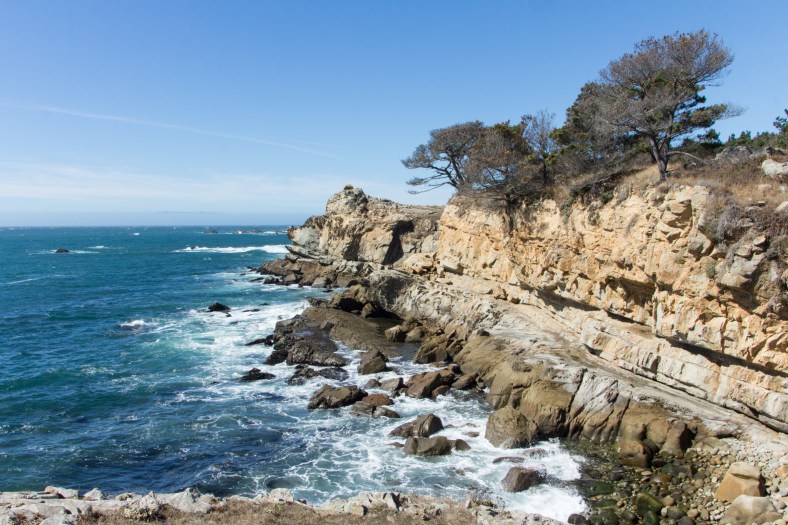
Rugged coast


Some kind of succulent
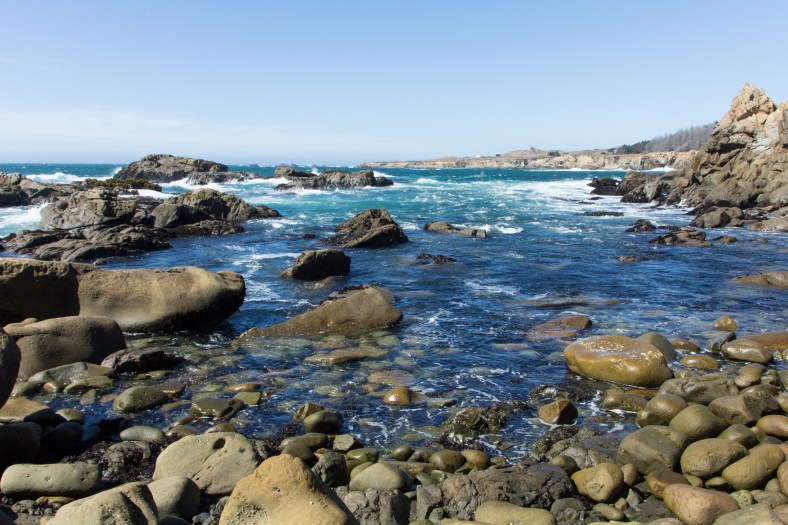
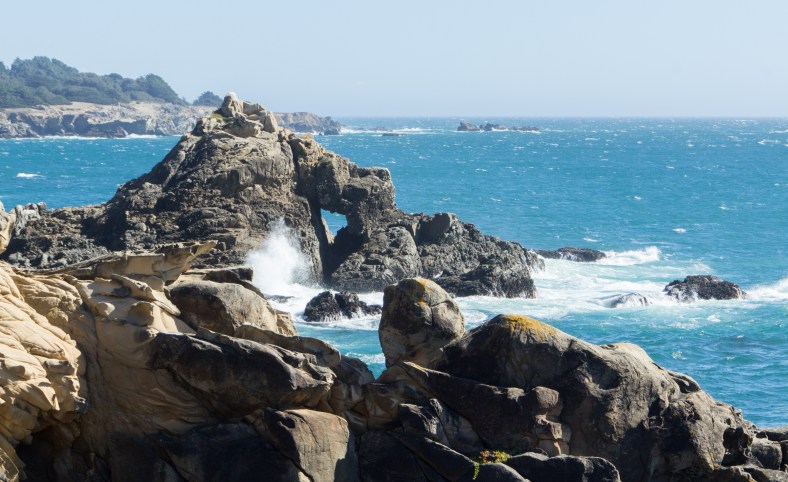

Tafoni

Surviving on the rocks
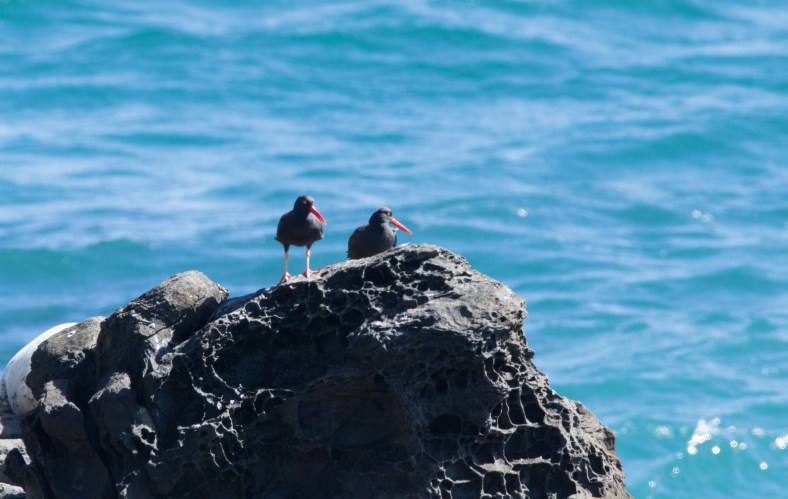
Black Oystercatcher (Haematopus bachmani)

Harbor Seals (Phoca vitulina)

Harbor Seal (Phoca vitulina)
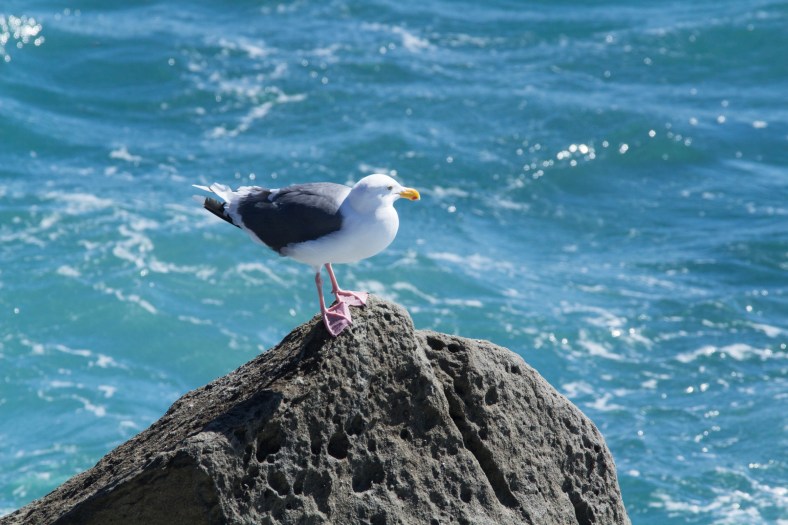
Western Gull (Larus occidentalis) – note yellow beak with red spot

Sierra Fence Lizard (Sceloporus occidentalis taylori)
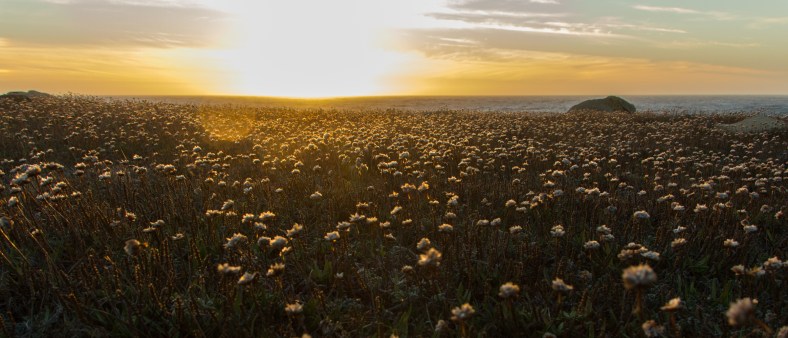
It’s going to be a beautiful sunset
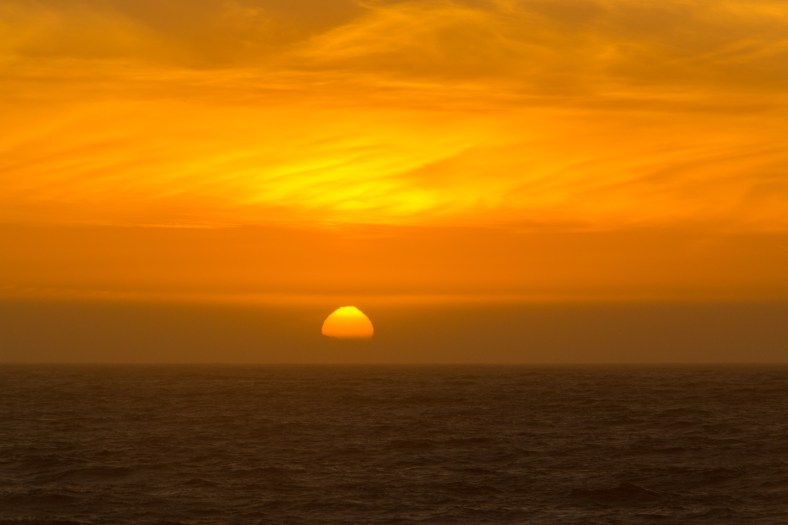
Shades of orange
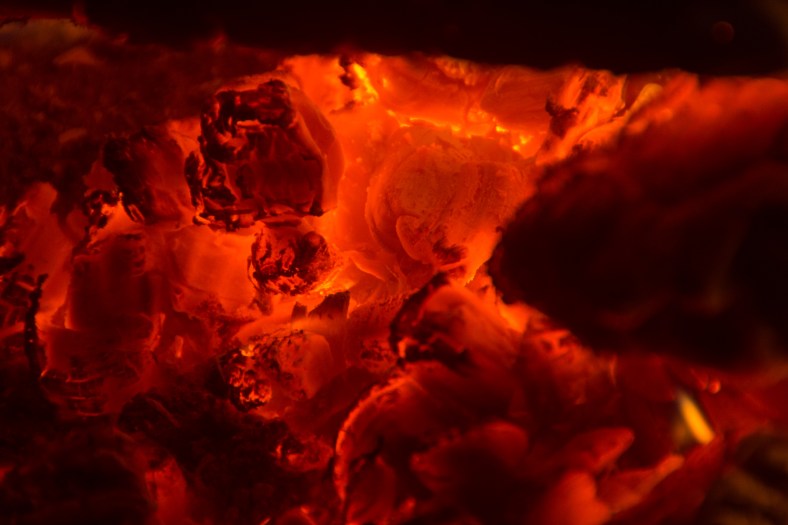
Burning coals of the campfire
On Sunday, we headed for a walk through the Salt Point Pygmy Forest. The name threw me off since I had not done much research ahead of the trip. The forest contains miniature pine and cypress trees. Many are more than 100 years old but only a few feet tall. While hiking in the Sierra, I’m usually focused on peaks and ridges and lakes, and I make those my destinations or waypoints. But, hiking through this forest at a leisurely pace, I was able to focus on the vegetation and creatures which inhabit this ecosystem.
I learned about 2 other kinds of ferns: the sword fern, and the chain fern. Until now, I was only familiar with bracken fern which I’d encountered on many hikes in the hills. These always remind me of dinosaurs. As a kid, reading books on dinosaurs, they were always running through forests filled with giant trees and ferns. The chain fern had these neat arrangement of dark structures called sori. The sori produce and contain spores which are used by ferns to reproduce. Ferns do not have seeds or flowers.

Bracken Fern (Pteridium aquilinum)
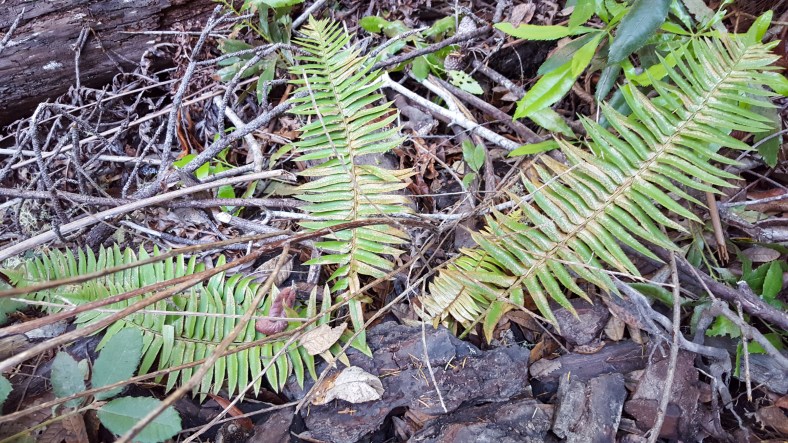
Imbricated Sword Fern (Polystichum imbicans)

Giant Chain Fern (Woodwardia fimbriata)

Giant Chain Fern – sori in parallel rows along midrib of leaflets
There are creatures left and right, some announcing there presence with their song, others stealthily moving through the forest in search of food, shelter, or attempting to avoid predators. The banana slug id pretty cool looking. It has a radiant yellow color when in the sun, and it can grow up to 9″. I noted birds, butterflies, praying mantes, spiders, bumblebees, and even a huckleberry which looked like a skull when backlit by the sun.
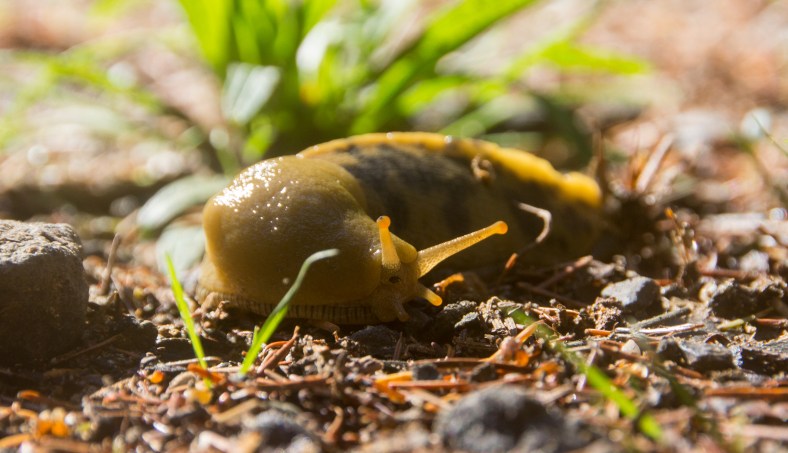
Banana Slug (Ariolimax buttoni)
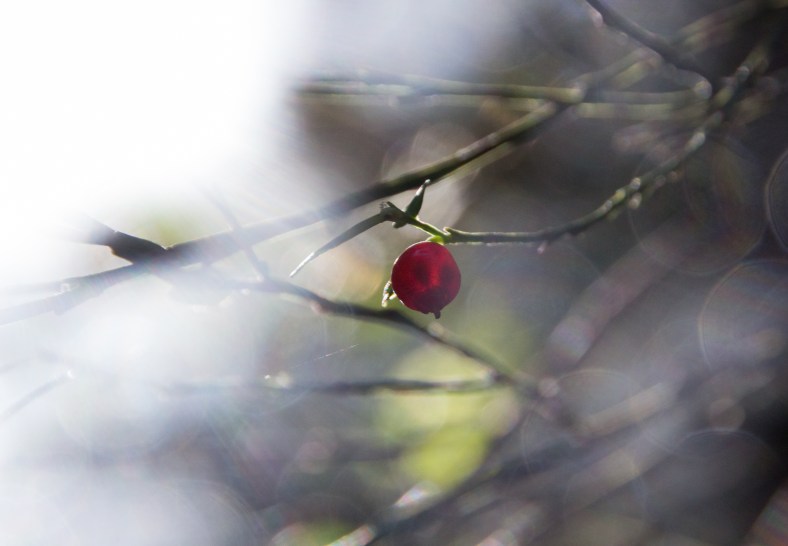
Red Huckleberry (Vaccinium parvifolium)

California Sister (Adelpha californica)
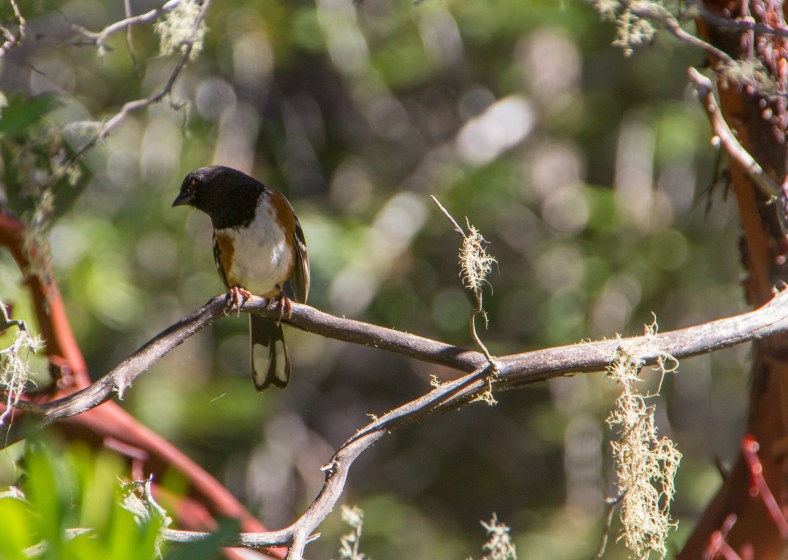
Spotted Towhee (Pipilo maculatus)
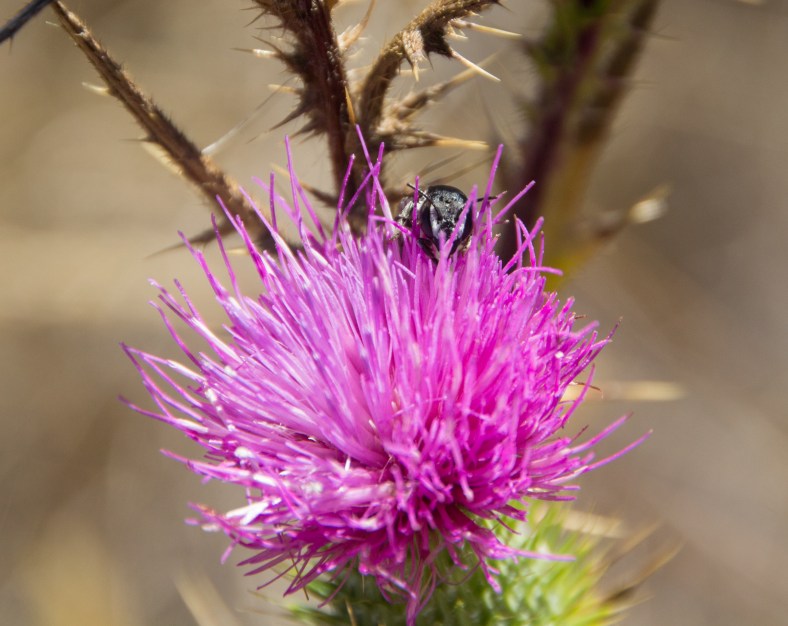
A bumblebee doing its thing

Praying Mantis
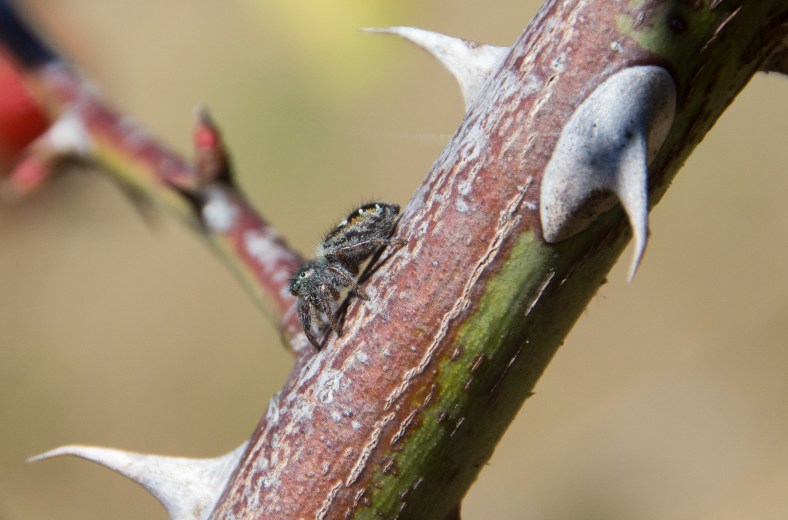
An itsy bitsy spider…

Praying Mantis

Douglas-fir cone(Pseudotsuga menziesii) – note the “mouse tail” bracts
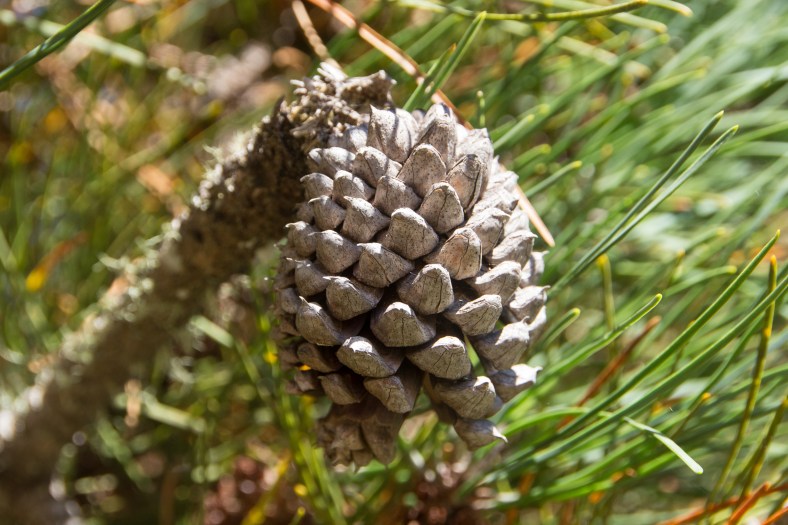
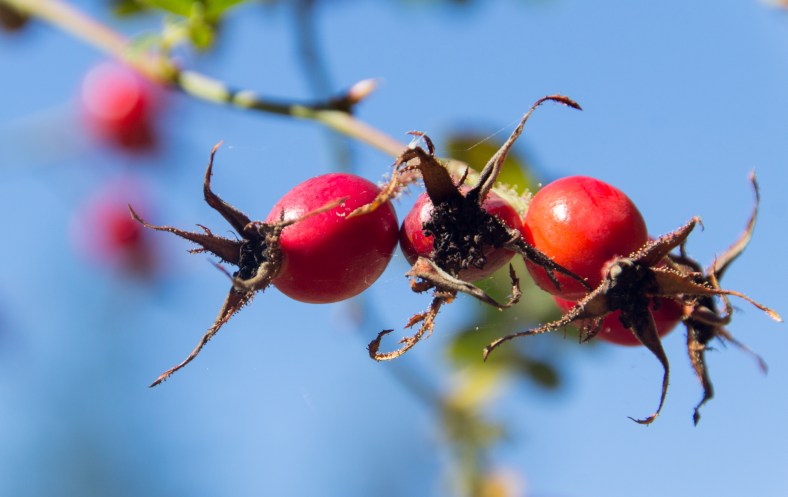

Pygmy (Mendocino) Cypress
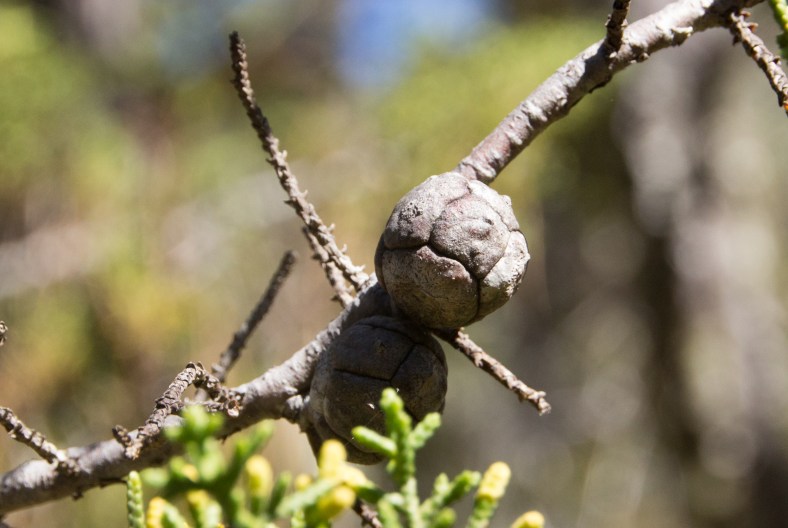
Conelets (flowers) on a Pygmy Cypress
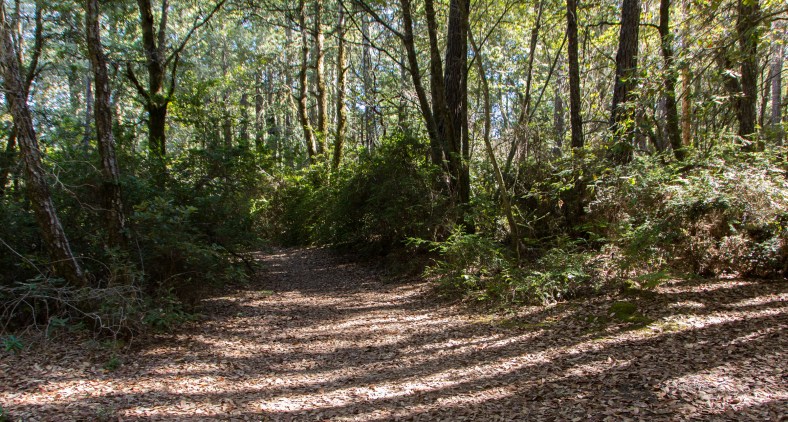
A fairy ring is a group of redwood trees growing in a circle usually around the stump of an older tree. They are the new generation of tress sprouting from the roots of the fallen tree. It’s one way in which redwoods regenerate.
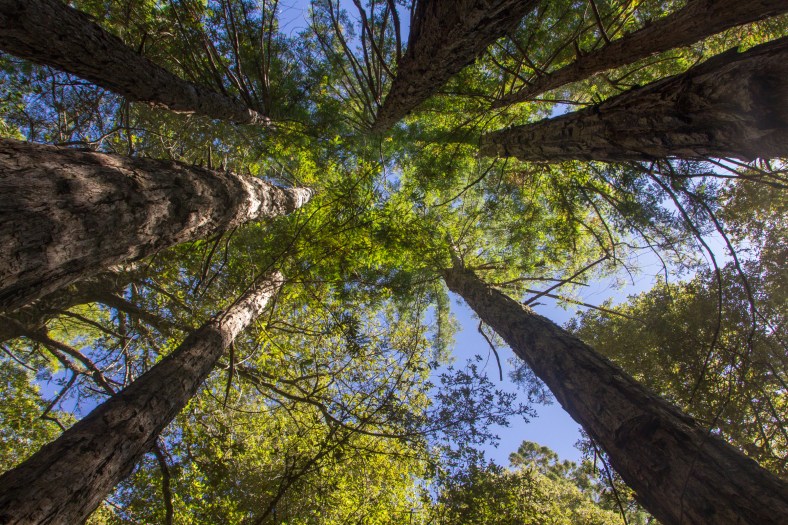
Coast Redwood fairy ring
Cormorants are related to pelicans. Brandt’s cormorants are found only along the Pacific Coast of North America. Non-breeding adults are mostly black. They nest on rocky islands and cliffs where upwelling brings nutrients towards the surface and attracts fish. They feed by diving and chasing after surface- and bottom-dwelling fish. They will grasp fish in the bill, crush it, and swallow it head-first.

Brandt’s Cormorant (Phalacrocorax penicillatus)
Peregrine falcons are some of the most amazing birds of prey. They specialize in hunting birds in the air. They can dive from great heights and reach speeds up to 200 mph. They are about the size of a crow, and they live and nest on tall structures: cliffs, skyscrapers, water towers. In cities, they feed on pigeons.

Peregrine Falcon (Falcus peregrinus)
 pacorios