Today would be my last day to explore Costa Rica. I decided to drive to the Pacific coast and explore some of the beaches south of Jaco. Jaco is popular with tourists, locals, and surfers. The beach is nice but by no means spectacular. I was looking for a bit more of isolation. I ended up in Playa Esterillos Oeste. There is also Esterillos Centro and Esterillos Este.
This beach has a bronze statue of a siren sitting on the rocks and looking out to the ocean. At high-tide, the water level covers the statue’s pedestal, making it seem like the siren is rising from the water. I only got to see the statue at low tide.
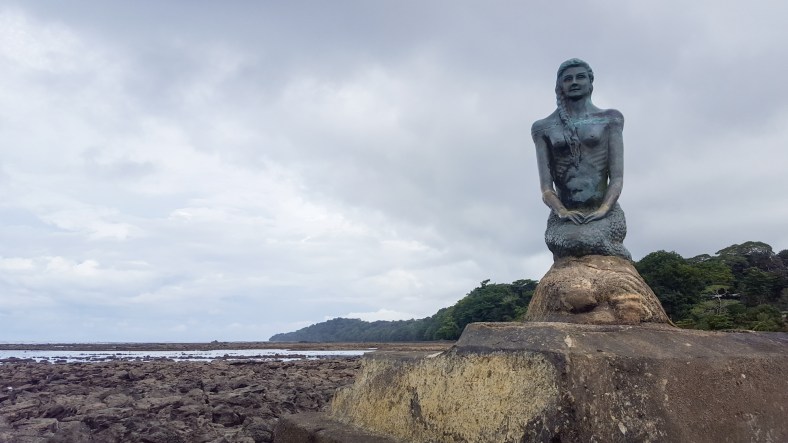
La Sirena, by Albino Valverde
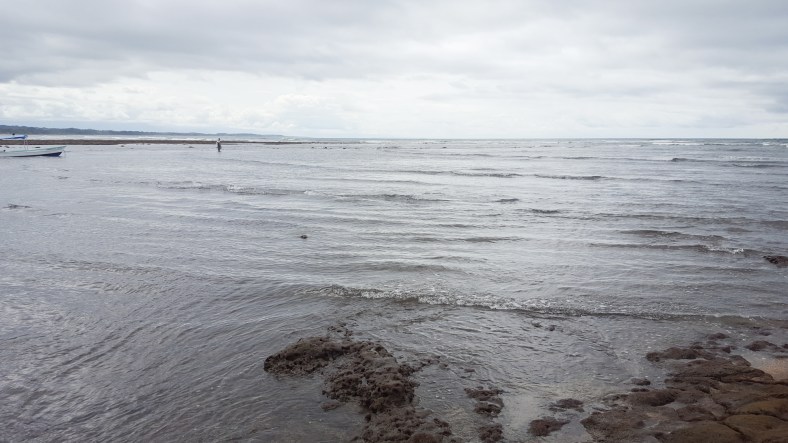
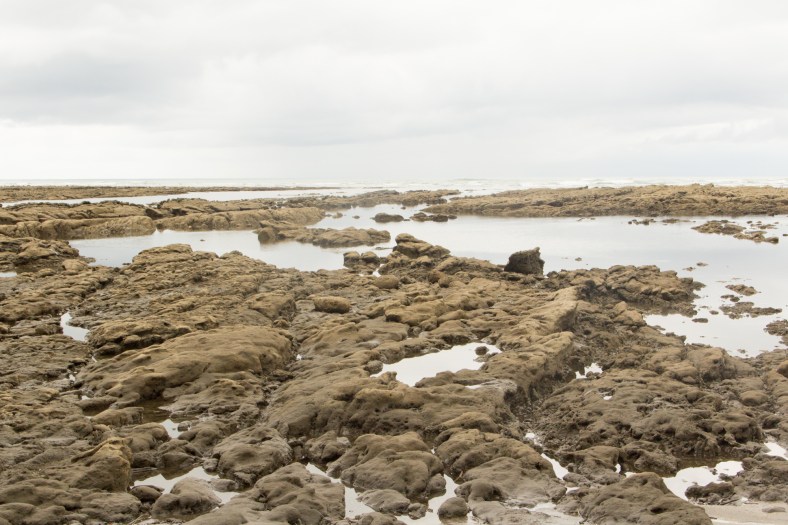
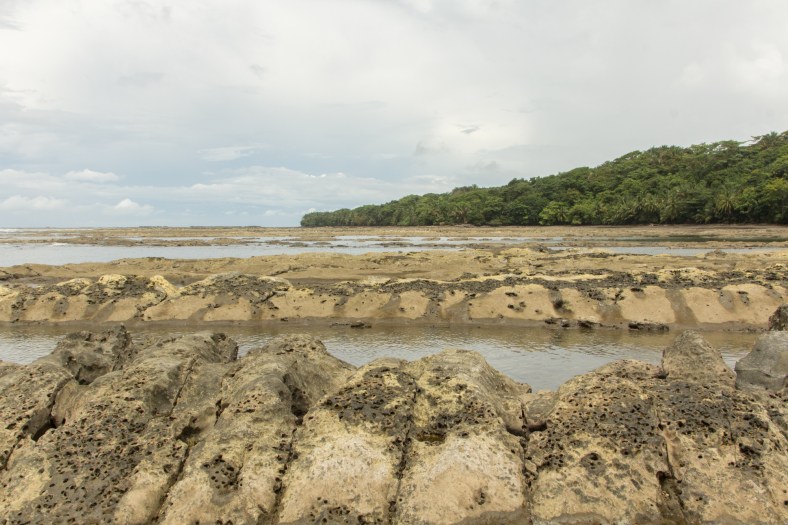
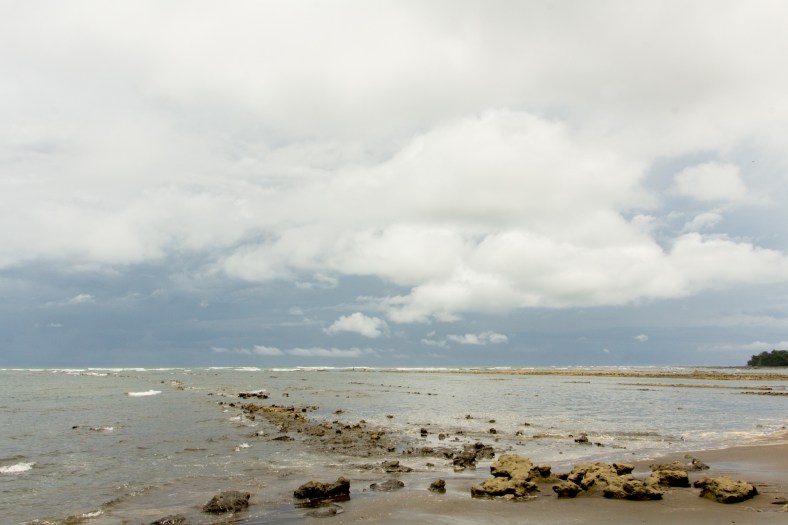
The beach is covered with gray-colored sand, and the shore is rocky. At low tide, you’ll find myriad pools of water to soak in, swim in, or wade in.
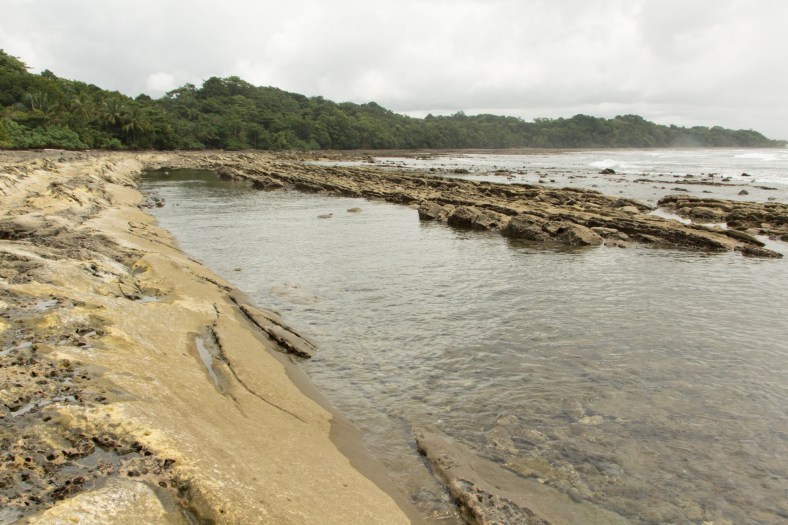
On the land side, there is a thick jungle and you’ll find a variety of wildlife in the trees. I didn’t see any crocodiles, but I did see various birds and monkeys. A new animal to me was the fasciated tiger heron, which has a pattern reminiscent of a tiger all over its back, back, neck, and wings, hence its name. It can reach a height of up to 2′, and it is quite impressive up close. They range from Central America, along the Pacific coast, down to South America.
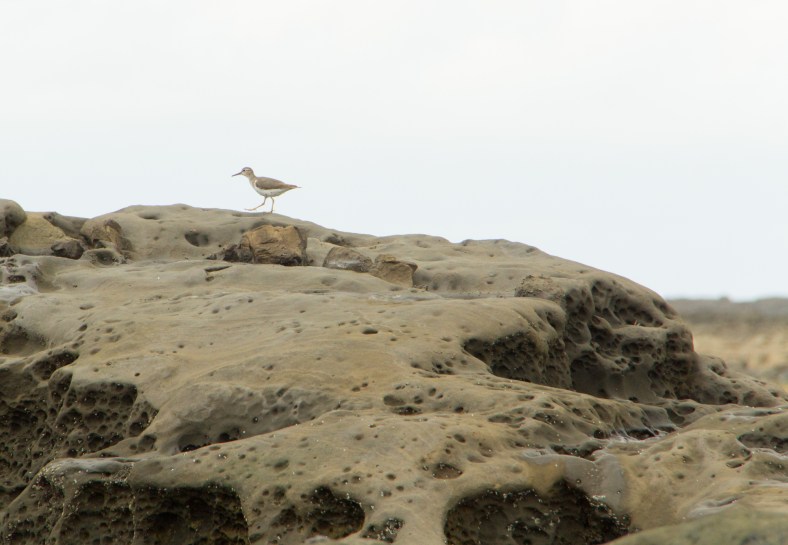
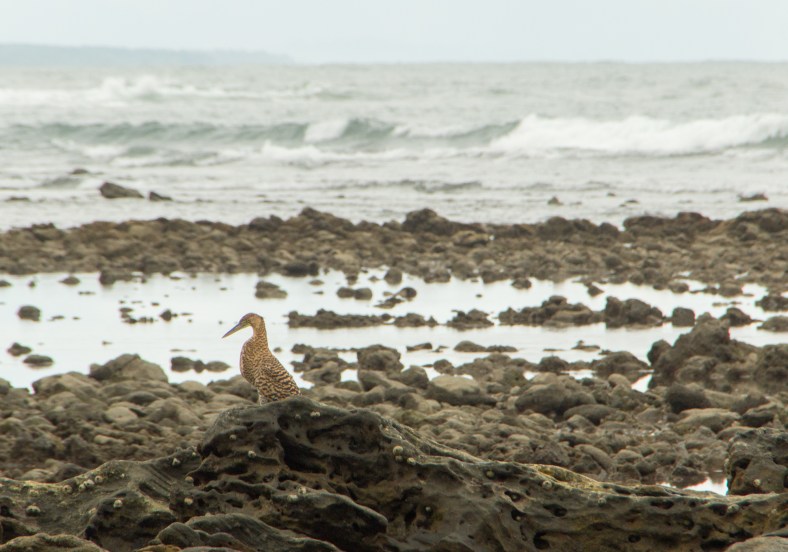
Fasciated Tiger Heron (Tigrisoma fasciatum)
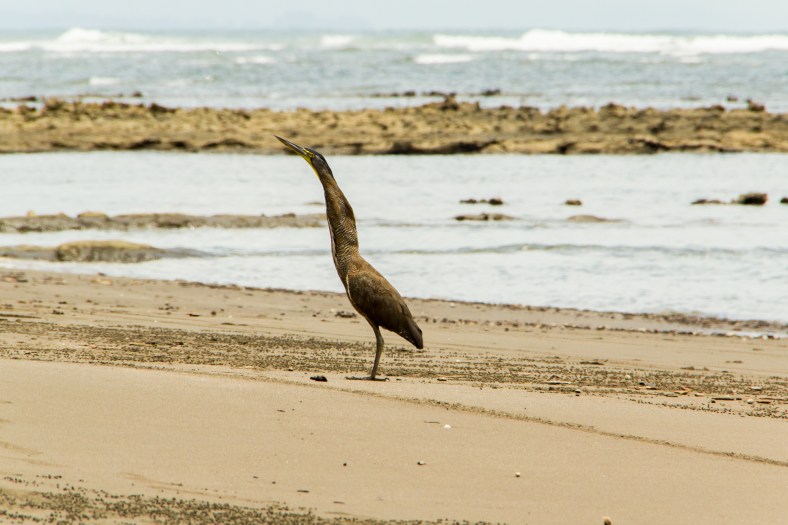
Fasciated Tiger Heron (Tigrisoma fasciatum)
Black vultures are related to the turkey vultures commonly seen in the Bay Area. Their main meal is eating carrion. They grow up to 6 lbs with a wingspan of up to 5′. They have a featherless gray to black head and neck, whereas the turkey vultures have a featherless red head. Both are related are related to the same family, Cathartidae, as the California condor. When flying, they tend to soar on thermals rather than by flapping their wings.
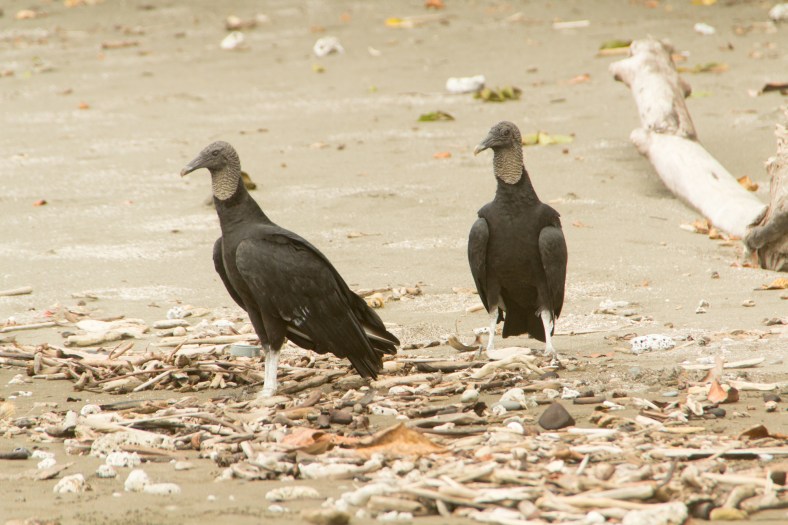
Black Vultures
And then there are the seemingly ever-present Capuchin monkeys!
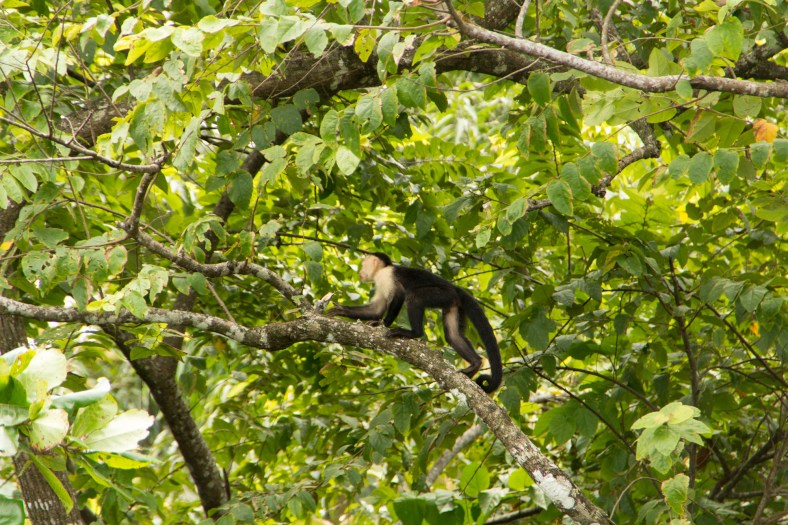
Capuchin Monkey (Cebinea)
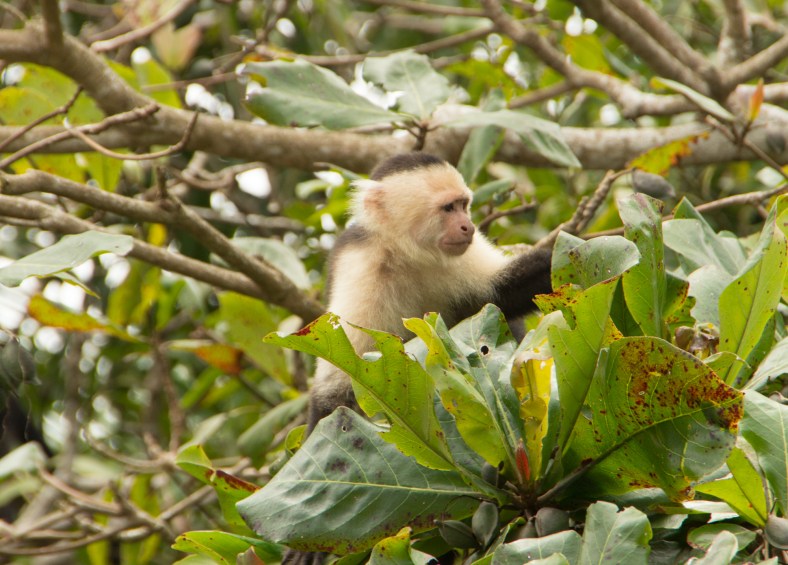
Capuchin Monkey (Cebinea)
As I was leaving the area, I looked back at La Sirena and noticed that the tide was coming in. I could imagine what a sight it would be to see the siren apparently floating on the water in the middle of the night.
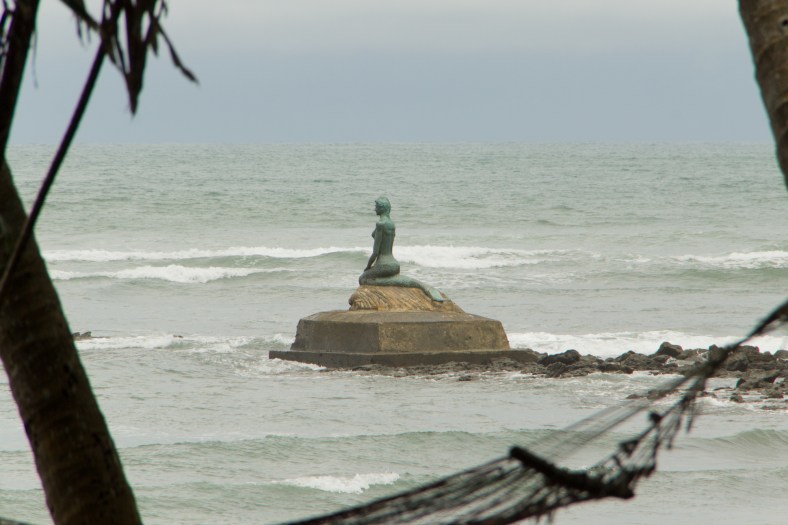
La Sirena, by Albino Valverde
 pacorios